
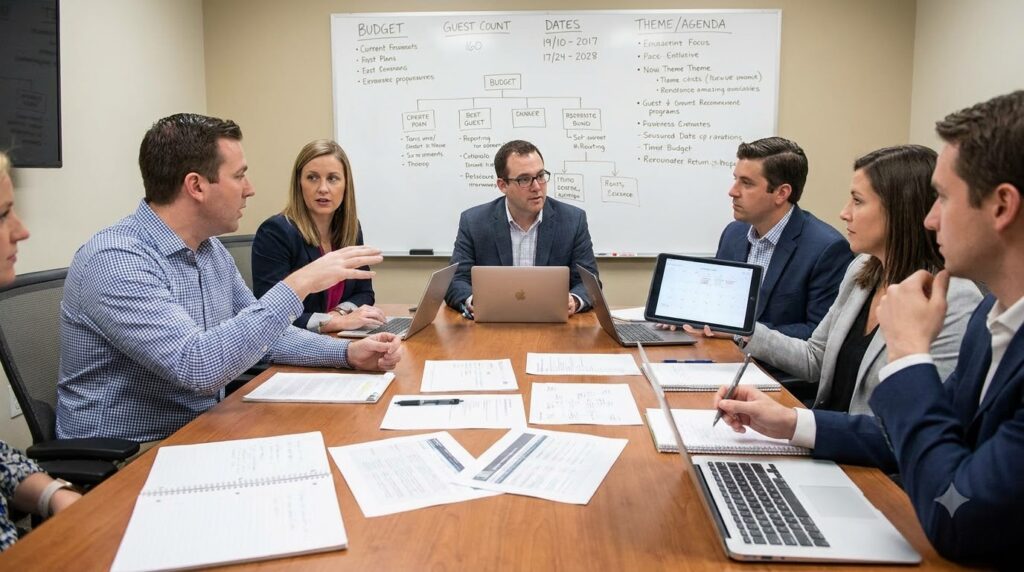
Planning a successful corporate event requires more than selecting a date and reserving a space. Whether you are organizing a business meeting, employee appreciation event, networking gathering, conference, training session, or company celebration, every detail contributes to the overall experience.
A well-organized corporate event can strengthen professional relationships, improve employee engagement, support business goals, and create a lasting impression on attendees. However, achieving these results depends heavily on choosing the right venue.
The right corporate event venue should do more than provide a physical space. It should support your event objectives, accommodate your guests comfortably, provide the necessary facilities, and make the planning process easier for organizers.
Following a detailed corporate event planning checklist helps businesses evaluate important factors before booking a venue and ensures that no essential detail is overlooked.
From defining your event goals and setting a budget to reviewing venue facilities, technology, catering, and guest experience, careful planning can help create a professional and successful event.
Why Choosing the Right Corporate Event Venue Matters
A venue is one of the biggest factors that can influence how attendees experience your event.
Even with excellent planning, the wrong venue can create challenges such as:
- Limited space
- Poor guest flow
- Technology issues
- Transportation difficulties
- Lack of necessary services
On the other hand, a well-chosen venue can make the event feel organized, comfortable, and professional.
The right venue helps businesses:
- Create a positive impression on guests
- Support presentations and activities
- Encourage networking and engagement
- Provide a comfortable environment
- Simplify event coordination
When choosing a corporate event venue, businesses should consider how well the space supports the purpose of the event rather than focusing only on appearance.
A visually appealing venue is important, but functionality, convenience, and service quality are what create a successful corporate experience.
Types of Corporate Events That Require Careful Planning
Every corporate event has different goals, and the venue requirements can change depending on the type of gathering.
Before creating your corporate event planning checklist, identify what type of event you are organizing.
Common corporate events include:
Corporate Meetings
Business meetings require a professional environment that supports communication and productivity.
Important considerations include:
- Comfortable seating
- Presentation capabilities
- Quiet surroundings
- Reliable technology
Conferences and Seminars
Larger educational or professional events require venues that can support multiple attendees and structured schedules.
Consider:
- Seating capacity
- Audio-visual support
- Registration areas
- Networking space
Employee Appreciation Events
Company celebrations and employee-focused events should create a comfortable and enjoyable experience.
Important factors include:
- Flexible layouts
- Dining options
- Entertainment space
- Comfortable atmosphere
Networking Events
Networking-focused events require spaces that encourage conversation and interaction.
Look for:
- Open areas
- Comfortable seating arrangements
- Easy guest movement
- Food and beverage options
Corporate Celebrations and Special Events
Company anniversaries, holiday parties, and milestone celebrations often require a venue that combines professionalism with an enjoyable atmosphere.
The right venue should support both the business purpose and the overall guest experience.
Step 1: Define Your Corporate Event Goals
Before searching for a venue, clearly define what you want your event to achieve.
Your goals will influence almost every decision, including venue size, layout, technology needs, and services required.
Start by asking:
- What is the main purpose of the event?
- Who will be attending?
- What experience should guests have?
- What results do you want to achieve?
For example:
A training session may require a classroom-style setup with presentation equipment.
A networking event may need an open layout that encourages conversation.
An employee celebration may require dining space, entertainment areas, and a more relaxed atmosphere.
Understanding your goals helps you choose a venue that supports your event instead of forcing your plans to fit the space.
Step 2: Create a Realistic Corporate Event Budget
Budget planning is one of the most important steps in the corporate event planning process.
Before contacting venues, determine how much you are prepared to invest and what areas require the most attention.
Your event budget may include:
- Venue rental costs
- Food and beverage services
- Technology requirements
- Decorations or branding elements
- Entertainment
- Transportation considerations
- Additional services
When comparing venues, avoid focusing only on the lowest price.
A lower-cost option may not include important services that your event requires.
Instead, evaluate overall value:
- What is included in the package?
- Are there additional fees?
- Does the venue provide necessary equipment?
- Can the venue reduce the need for outside vendors?
- Does the experience match your event goals?
A venue that provides strong support and necessary services can often make planning easier and improve the final event experience.
Step 3: Determine Guest Count and Space Requirements
Understanding your expected number of attendees is essential before choosing a corporate event venue.
The venue should comfortably accommodate your guests while supporting the activities planned for the event.
Consider:
- Number of attendees
- Seating style
- Presentation area
- Networking space
- Dining requirements
- Registration or check-in area
- Breakout spaces
Different event formats require different layouts.
For example:
Presentation-Based Events
May require:
- Stage or presentation area
- Audience seating
- Screens or displays
- Audio equipment
Networking Events
May require:
- Open floor space
- Cocktail-style setup
- Conversation areas
Corporate Dinners
May require:
- Dining arrangements
- Comfortable guest seating
- Food service areas
The right venue should provide enough flexibility to create a layout that matches your event goals.
Step 4: Choose a Convenient Location for Your Corporate Event
Location is one of the most important factors when selecting a corporate event venue. A venue may offer excellent facilities, but if it is difficult for attendees to reach, it can affect attendance and the overall event experience.
A convenient location helps employees, clients, business partners, and guests arrive comfortably and on time.
When evaluating a corporate event location, consider:
- Accessibility from major roads
- Travel convenience for attendees
- Parking availability
- Nearby accommodations
- Distance from business areas
- Ease of transportation
The best location depends on where your attendees are traveling from and what type of event you are organizing.
A venue that is easy to access creates a better experience before the event even begins.
Why Mount Laurel NJ Is a Convenient Location for Corporate Events
For businesses looking for a professional event destination near Philadelphia, Mount Laurel, NJ offers a practical combination of accessibility and comfort.
Instead of choosing a venue in a crowded city environment, companies can select a location that provides a more relaxed setting while remaining convenient for regional attendees.
Mount Laurel can be a suitable choice for corporate events because it offers:
- Convenient access for guests traveling from nearby areas
- A comfortable environment away from busy city congestion
- Accessibility for business meetings and company gatherings
- Nearby accommodations for attendees traveling from outside the area
This makes Mount Laurel a strong option for different types of corporate events, including:
- Business meetings
- Employee appreciation events
- Networking gatherings
- Training sessions
- Company celebrations
A convenient location allows attendees to focus on the purpose of the event rather than dealing with unnecessary travel challenges.
Step 5: Evaluate the Venue Layout and Event Spaces
A corporate event venue should provide spaces that support your specific event format.
The layout of a venue directly affects guest interaction, presentations, networking opportunities, and overall event flow.
Before choosing a venue, consider whether the space can accommodate:
- Presentation areas
- Conference-style seating
- Networking sections
- Dining arrangements
- Registration areas
- Breakout sessions
- Social gatherings
Different corporate events require different setups.
For Business Meetings
A professional meeting may require:
- Comfortable seating arrangements
- Presentation capabilities
- A focused environment
- Easy communication between attendees
For Conferences and Training Sessions
Larger professional events may need:
- Audience seating
- Audio-visual support
- Speaker areas
- Space for breaks and networking
For Corporate Celebrations
Company celebrations often require a more flexible environment with:
- Dining space
- Entertainment areas
- Comfortable guest seating
- Room for social interaction
A venue with flexible event spaces allows businesses to create a setup that matches their goals.
Step 6: Check Technology and Business Facilities
Modern corporate events often depend on reliable technology.
Whether you are hosting a presentation, training session, conference, or business meeting, technical issues can negatively impact the attendee experience.
Before booking a venue, ask about available technology and support.
Important considerations include:
Audio and Visual Equipment
Confirm whether the venue can support:
- Microphones
- Speakers
- Screens
- Presentation equipment
- Display requirements
Internet Connectivity
Reliable internet access is important for:
- Business presentations
- Digital materials
- Virtual participation
- Communication needs
Technical Support
Ask whether the venue provides assistance with:
- Equipment setup
- Event technology
- Troubleshooting during the event
Having professional support available helps prevent unexpected problems and keeps the event running smoothly.
Step 7: Review Food and Beverage Options
Food and beverages are an important part of creating a positive corporate event experience.
Whether you are hosting a business luncheon, networking event, company celebration, or full-day conference, dining options should match the purpose and schedule of your event.
When reviewing food and beverage services, consider:
- Menu flexibility
- Dietary requirements
- Beverage options
- Service style
- Meal timing
- Presentation quality
Different corporate events may require different dining approaches.
For example:
Business Meetings
May require:
- Coffee service
- Breakfast options
- Lunch arrangements
Networking Events
May benefit from:
- Reception-style dining
- Beverage service
- Easy-to-access food stations
Corporate Celebrations
May require:
- Full dining experiences
- Customized menus
- Professional service
A venue with flexible food and beverage options can help create a smoother experience for both organizers and attendees.
Step 8: Consider Parking and Guest Convenience
Small logistical details can have a major impact on attendee satisfaction.
Before selecting a venue, consider how easy it will be for guests to arrive, park, and move through the event.
Important factors include:
- Parking availability
- Ease of arrival
- Guest check-in process
- Accessibility for all attendees
- Clear event directions
A venue that minimizes logistical challenges allows guests to focus on networking, learning, and participating in the event.
For corporate events, convenience reflects professionalism. A well-organized arrival experience creates a positive first impression.
Step 9: Evaluate Event Planning Support
Corporate events involve many moving parts, and professional support can make the planning process significantly easier.
A venue team with event experience can assist with important details such as:
- Room setup
- Event timeline coordination
- Vendor communication
- Schedule management
- Day-of support
Before booking, ask:
- Will there be a dedicated event contact?
- How does the venue support planning?
- Who will assist during the event?
- What coordination services are included?
A reliable venue team helps organizers spend less time managing small details and more time focusing on the purpose of the event.
Step 10: Consider Overnight Accommodation Options
For corporate events involving attendees from different cities, nearby accommodations can provide additional convenience.
This is especially useful for:
- Multi-day conferences
- Corporate retreats
- Training programs
- Company celebrations
- Guests traveling long distances
Having nearby lodging options allows attendees to focus on the event without worrying about transportation after a long day.
When planning a corporate event, consider whether guests need:
- Convenient overnight stays
- Easy transportation between locations
- Comfortable accommodations
A venue location with nearby hotel options can improve the overall experience for both organizers and attendees.
Corporate Event Planning Timeline Checklist
A successful corporate event does not happen overnight. Proper planning timelines help businesses stay organized, avoid last-minute problems, and create a better experience for attendees.
Using a timeline as part of your corporate event planning checklist can help ensure every important detail is completed before the event begins.
3–6 Months Before the Event
For larger corporate gatherings, early planning creates more flexibility and better options.
During this stage, focus on:
Define Event Goals
Finalize:
- Purpose of the event
- Expected outcomes
- Target audience
- Overall event style
Set the Budget
Determine:
- Venue costs
- Food and beverage expenses
- Technology requirements
- Additional services
- Contingency budget
Select the Venue
Evaluate potential venues based on:
- Location
- Capacity
- Available spaces
- Technology support
- Catering options
- Event assistance
Booking early helps businesses secure preferred dates and suitable event spaces.
1–3 Months Before the Event
Once the venue is selected, focus on finalizing the details.
Important tasks include:
- Confirm guest list
- Finalize event schedule
- Review seating arrangements
- Confirm catering details
- Coordinate technology requirements
- Communicate event details with attendees
This stage helps ensure that the event structure is clear and organized.
1–2 Weeks Before the Event
The final preparation stage is about confirming every detail.
Review:
- Event timeline
- Guest attendance
- Venue setup
- Technology requirements
- Vendor coordination
- Transportation details
A final review helps identify potential issues before event day.
Event Day Checklist
On the day of the event, focus on creating a smooth experience for attendees.
Confirm:
✔ Venue setup is complete
✔ Technology is working properly
✔ Registration area is ready
✔ Food and beverage service is coordinated
✔ Event team understands responsibilities
✔ Guest experience is being monitored
A well-prepared venue and planning team allow organizers to focus on engaging with attendees.
Why The Grand Legacy Is a Strong Choice for Corporate Events
When businesses search for a corporate event venue, they need more than just a room. They need a venue that supports professionalism, organization, and a positive attendee experience.
The Grand Legacy provides a setting designed for different types of corporate gatherings, including:
- Business meetings
- Company celebrations
- Networking events
- Corporate gatherings
- Special professional events
A strong corporate venue should provide:
Flexible Event Spaces
Corporate events require different layouts depending on their purpose.
A flexible venue allows organizers to create setups for:
- Presentations
- Meetings
- Networking
- Dining
- Celebrations
Professional Event Support
Experienced venue support can help businesses manage:
- Planning details
- Event coordination
- Setup requirements
- Guest flow
This allows organizers to focus on their objectives while the venue team helps manage important logistics.
Convenient Location
Location can influence attendance and overall guest experience.
For companies hosting events near Philadelphia, Mount Laurel provides a practical option with accessibility and a comfortable environment for attendees.
Comfortable Guest Experience
Successful corporate events are designed around attendees.
The right venue helps create an environment where guests can:
- Participate comfortably
- Network effectively
- Enjoy the event experience
- Focus on the purpose of the gathering
Questions to Ask Before Booking a Corporate Event Venue
Before finalizing a venue, businesses should ask detailed questions to ensure the space matches their requirements.
What Types of Corporate Events Does the Venue Support?
Ask whether the venue has experience with:
- Meetings
- Conferences
- Training sessions
- Networking events
- Company celebrations
A venue familiar with different event formats can better support your needs.
What Is Included in the Venue Package?
Understand what services are included.
Ask about:
- Room setup
- Equipment availability
- Catering options
- Event support
- Additional fees
Clear information helps avoid unexpected costs later.
Does the Venue Provide Technology Support?
Confirm:
- Available audio-visual equipment
- Internet access
- Presentation capabilities
- Technical assistance
Technology plays an important role in modern corporate events.
How Many Guests Can the Venue Accommodate?
Make sure the venue matches your expected attendance.
Consider:
- Seating arrangements
- Networking space
- Dining requirements
- Event activities
Is Event Planning Assistance Available?
Ask:
- Who will be your venue contact?
- What support is available before the event?
- Who will assist on event day?
Professional assistance can make the entire process easier.
Common Corporate Event Planning Mistakes to Avoid
Even well-planned events can face challenges if important details are overlooked.
Avoid these common mistakes:
1. Choosing a Venue Without Defining Event Goals
A venue should support your event purpose.
A training session, networking event, and company celebration all require different setups and services.
Always define your goals before selecting a venue.
2. Focusing Only on Venue Appearance
A beautiful venue is important, but functionality matters just as much.
Consider:
- Layout flexibility
- Technology
- Guest comfort
- Services provided
The best venue combines appearance with practicality.
3. Ignoring Attendee Experience
Corporate events are designed for people.
Consider:
- Ease of arrival
- Comfortable seating
- Networking opportunities
- Food and beverage experience
- Overall atmosphere
A positive attendee experience reflects well on the organization hosting the event.
4. Waiting Too Long to Book
Popular venues may have limited availability, especially during busy seasons.
Planning early helps businesses:
- Secure preferred dates
- Choose better spaces
- Organize vendors efficiently
Frequently Asked Questions About Corporate Event Planning
What should be included in a corporate event planning checklist?
A corporate event planning checklist should include:
- Event goals
- Budget planning
- Guest count
- Venue selection
- Location considerations
- Technology requirements
- Food and beverage planning
- Event support
- Final event preparation
A detailed checklist helps organizers stay organized throughout the planning process.
How do I choose the right corporate event venue?
Choose a venue based on:
- Location
- Capacity
- Event space flexibility
- Technology support
- Catering options
- Professional assistance
The right venue should match your event goals and provide a comfortable experience for attendees.
Why is venue location important for corporate events?
Venue location affects attendance, convenience, and overall guest experience.
A convenient location makes it easier for employees, clients, and partners to attend while reducing travel-related challenges.
What facilities should a corporate event venue provide?
A corporate event venue should ideally provide:
- Flexible event spaces
- Technology support
- Comfortable seating arrangements
- Food and beverage options
- Professional event assistance
The required facilities depend on the type of corporate event being organized.
How early should a corporate event venue be booked?
The ideal booking timeline depends on event size, date, and venue availability.
Larger corporate events usually benefit from early planning because it provides more flexibility with venue selection, scheduling, and event arrangements.
Final Thoughts
A successful corporate event begins with choosing the right venue and planning each detail carefully.
Following a complete corporate event planning checklist helps businesses evaluate important factors such as:
- Event goals
- Budget
- Location
- Venue layout
- Technology
- Catering
- Guest experience
- Professional support
The right venue should do more than provide a physical space. It should help create an organized, comfortable, and memorable experience for everyone attending.
For organizations planning corporate meetings, company celebrations, networking events, or professional gatherings in Mount Laurel, The Grand Legacy provides a venue option designed to support successful corporate events.
With flexible event spaces, professional support, and a convenient location, The Grand Legacy helps businesses create events that leave a positive impression on employees, clients, and guests.
A well-planned corporate event reflects the professionalism of the organization behind it. Choosing a venue that understands your goals is the first step toward creating a successful experience.